

University of Zurich, Switzerland
Zurich, Suisse


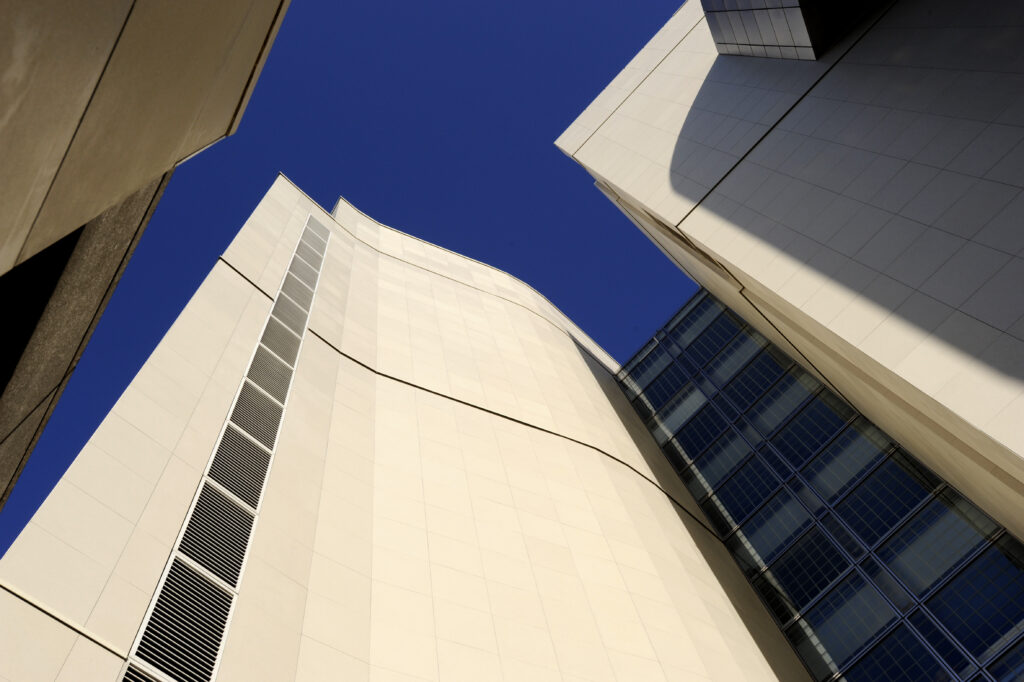
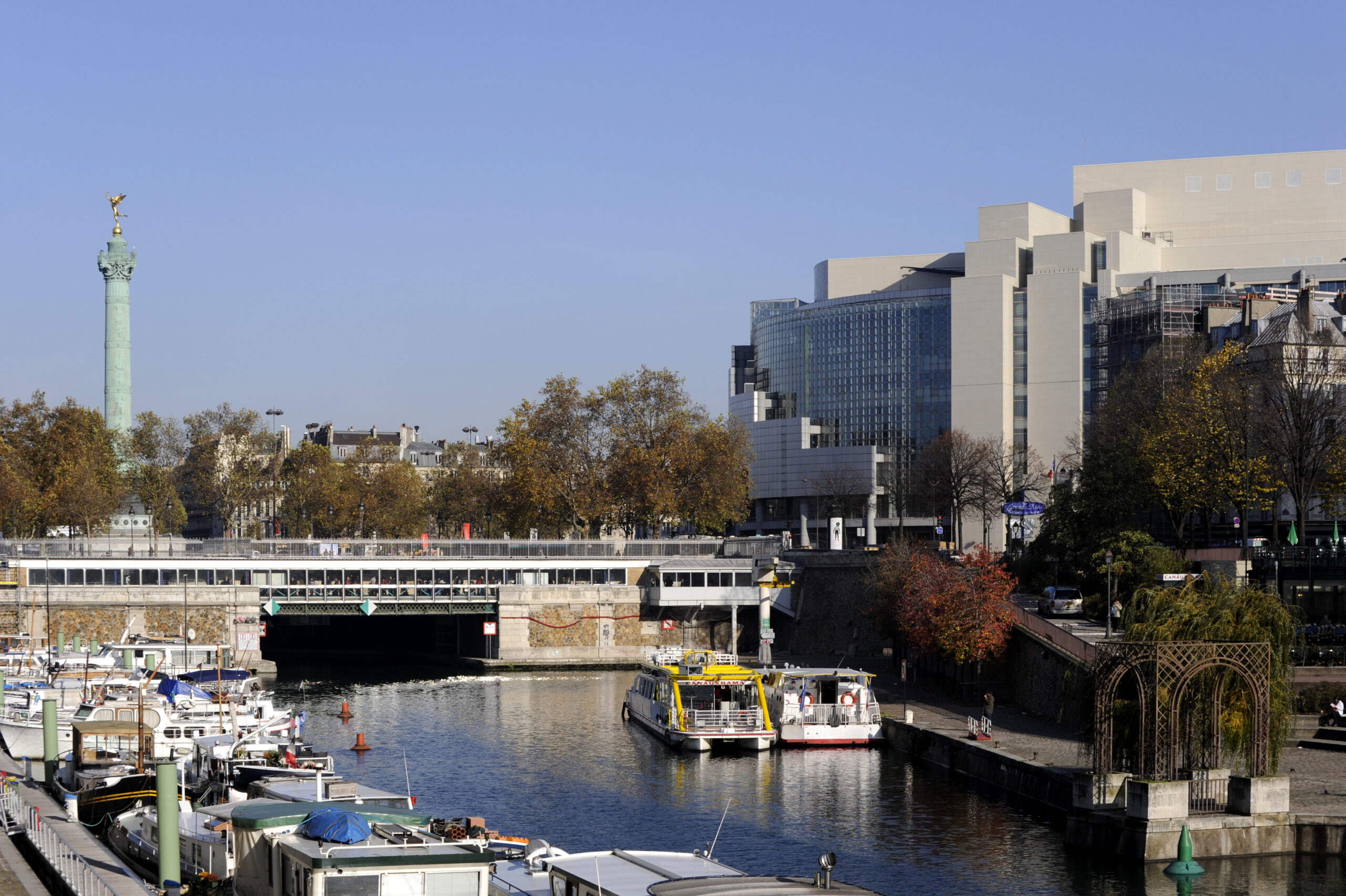
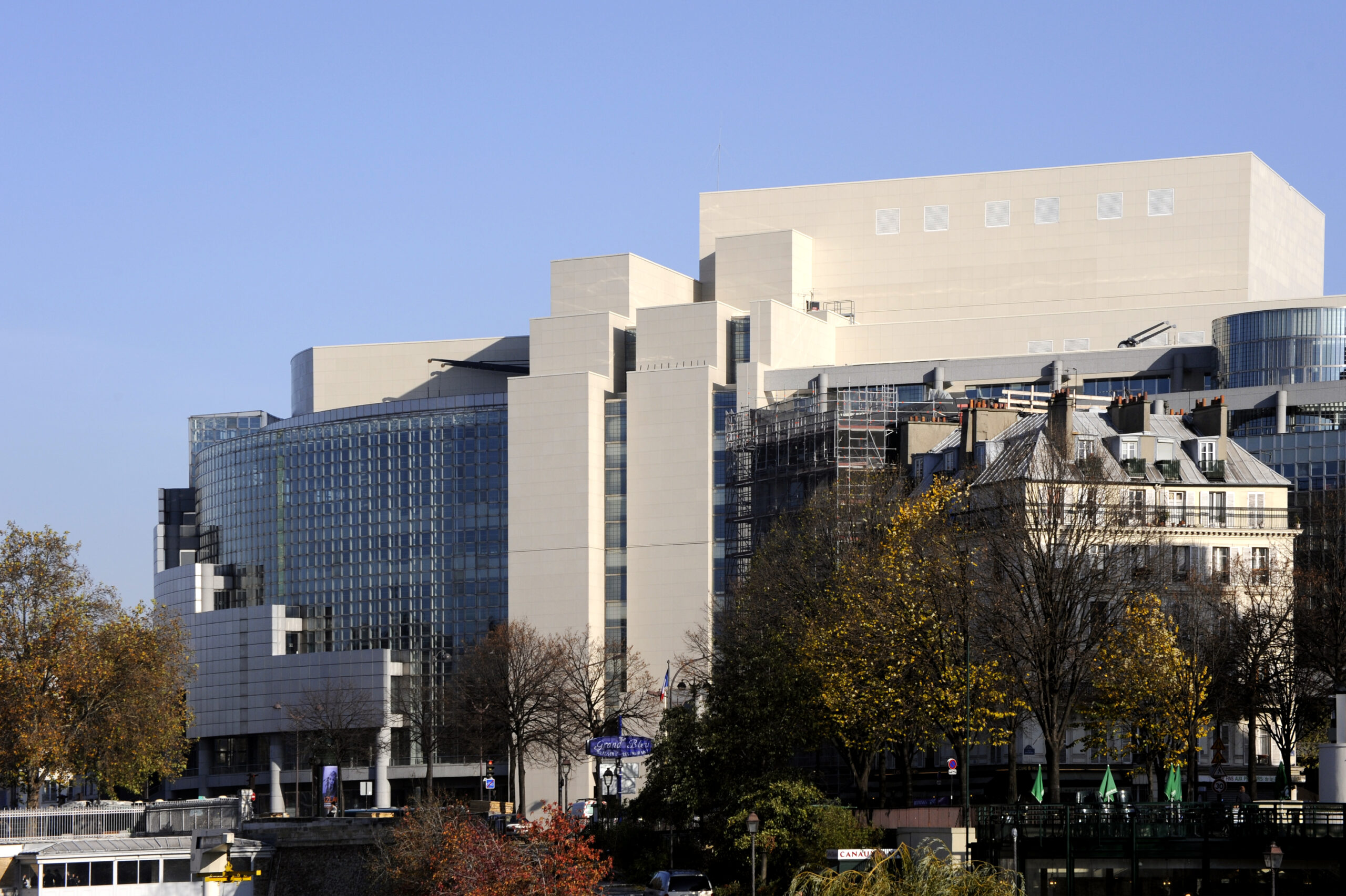
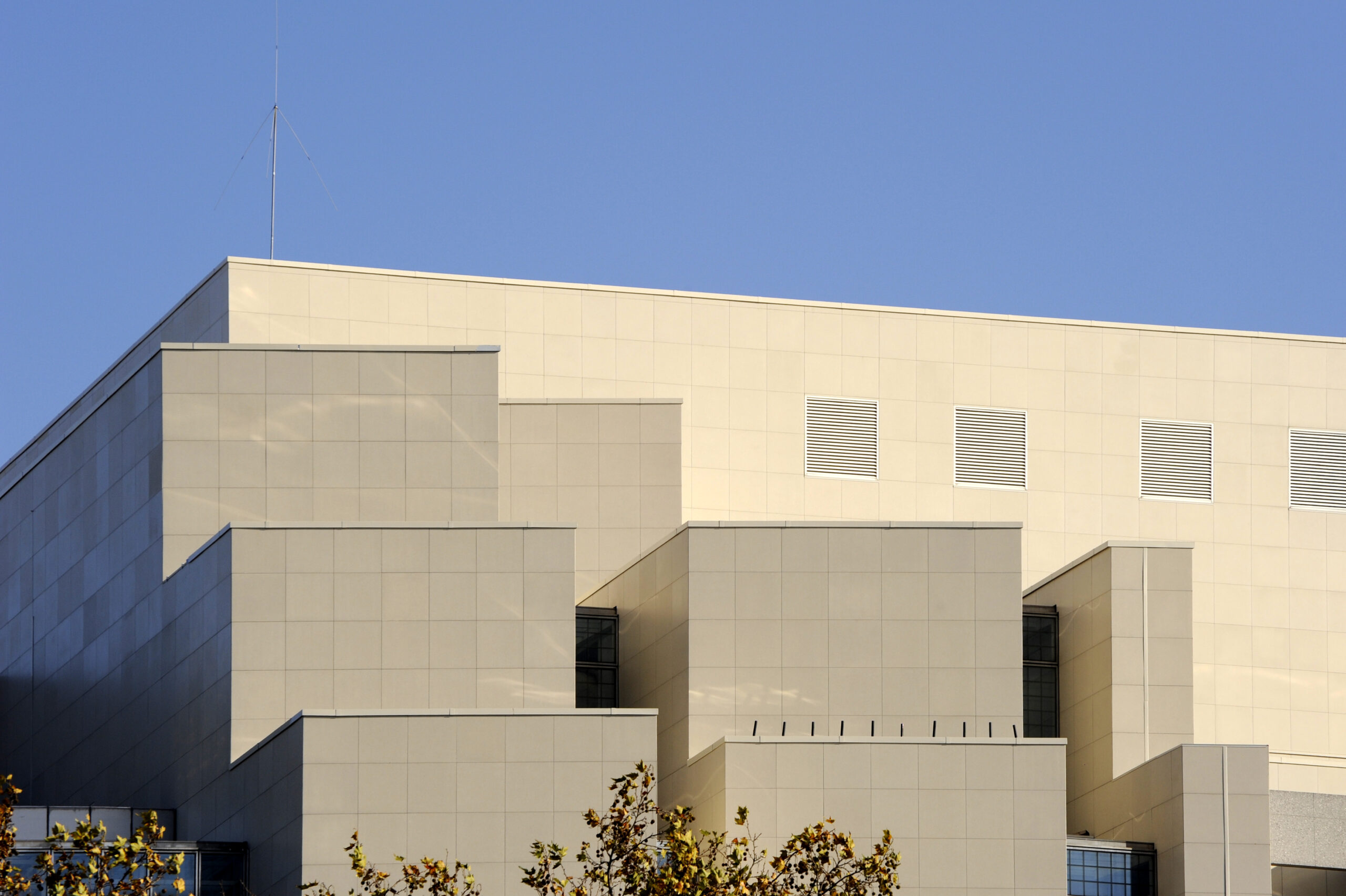
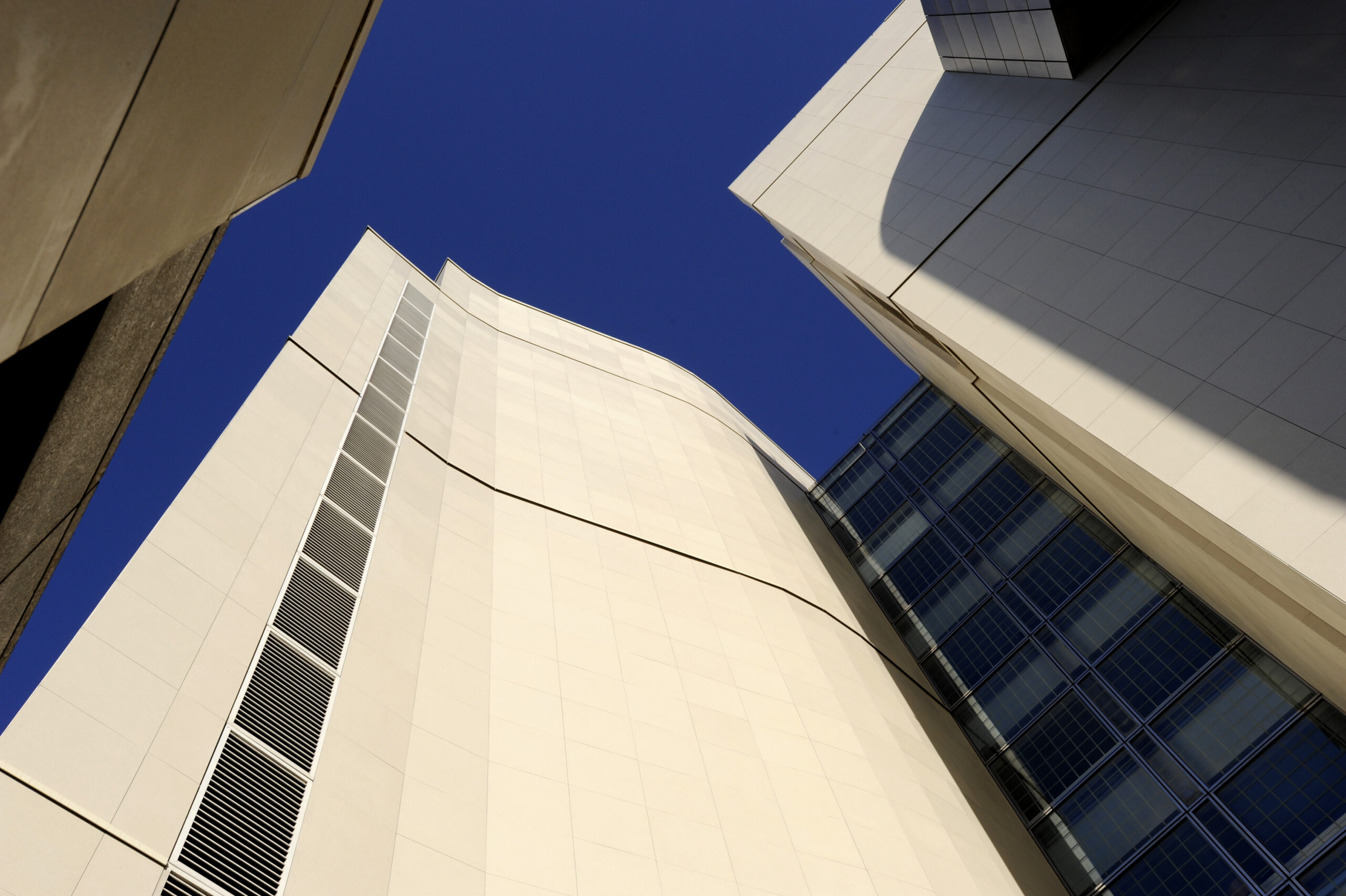
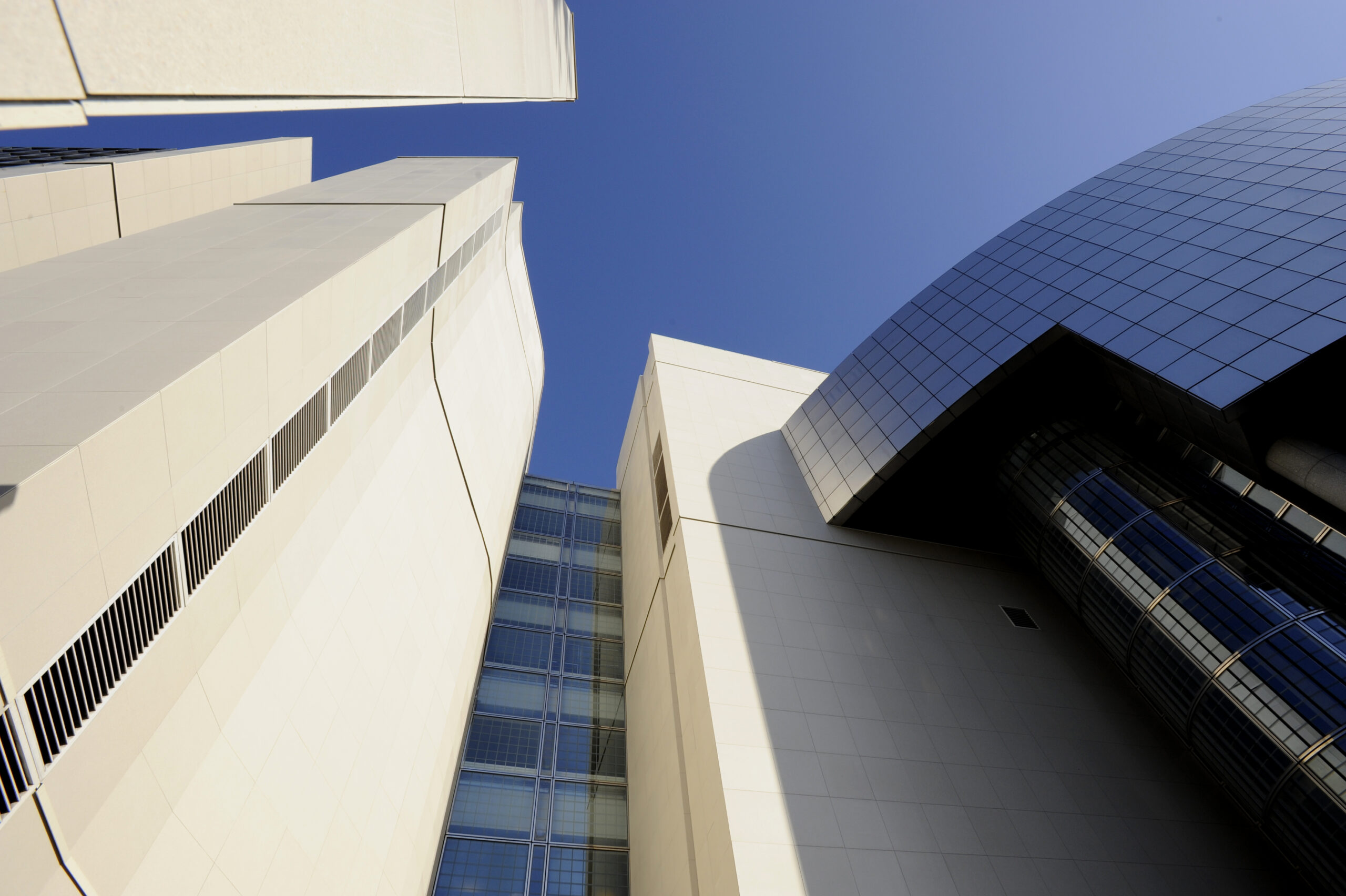
A major heritage enhancement project carried out between 2007 and 2009…. the facades of the Bastille Opera House, where 32,000 m² of CAREA® Mineral Composite cladding replaced the natural stone originally used in the construction of the famous institutional building (the original natural stone had become detached).
The Opéra National de Paris and the Architect / specifier then launched an open invitation to tender, within the framework of the Code des Marchés Publics, for the total renovation of the 28,000 m² facades.
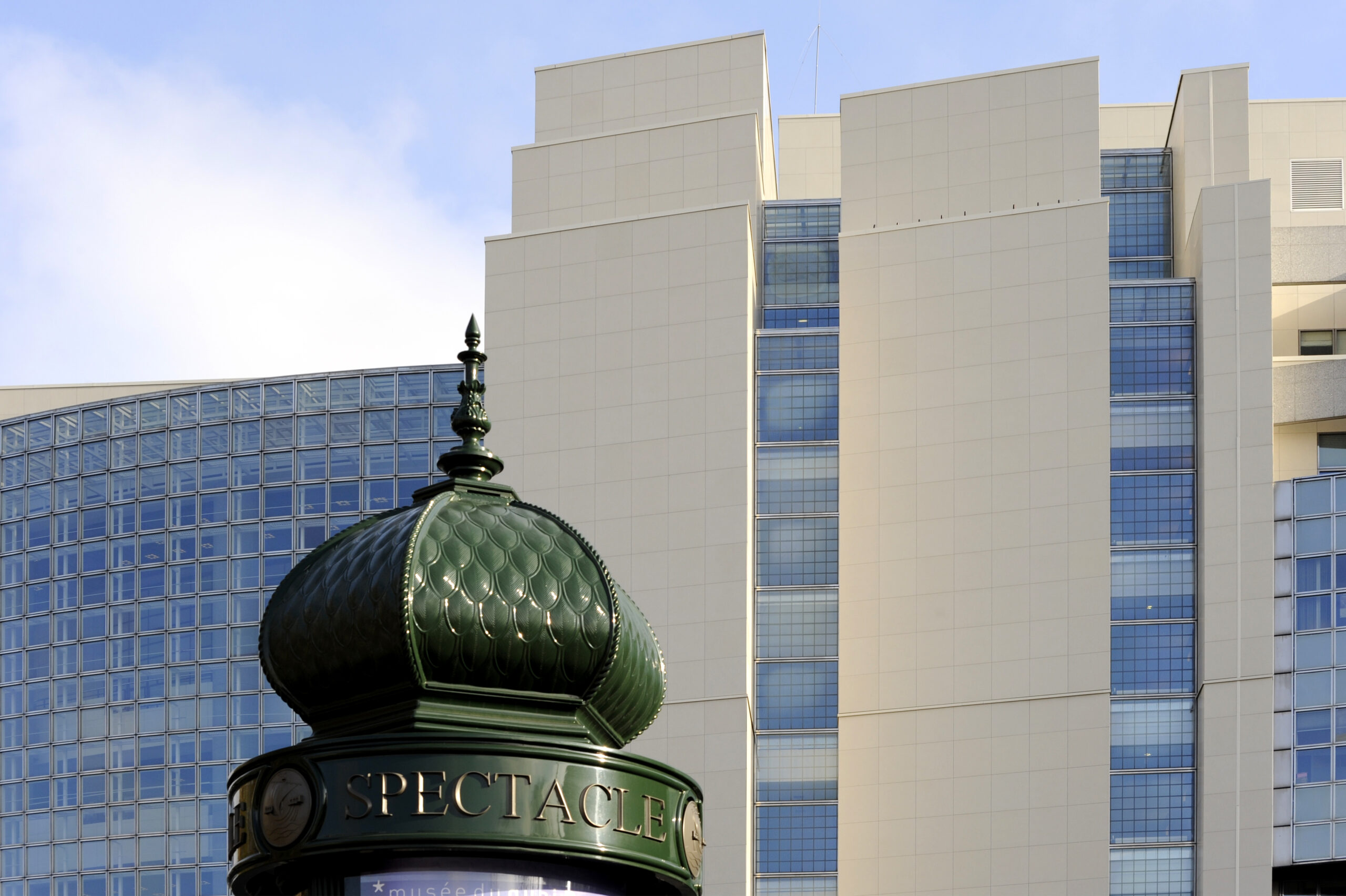
The criteria defined for this call for tenders focused first and foremost on the architect’s desire to find a solution that combined the aesthetic and technical qualities of natural stone with respect for the original layout of the large 90 x 90 cm elements used in the original design.
Next came performance and safety criteria: materials had to be either stone laid in compliance with DTU 55.2, or synthetic slabs benefiting from a valid technical opinion from the C.S.T.B. A minimum reVETIR certification was required, ensuring excellent resistance, higher than the standard usually applied, particularly in the lower parts; finally, the last normative requirement: the minimum fire classification of level M1 required for this ERP (Etablissement Recevant du Public).
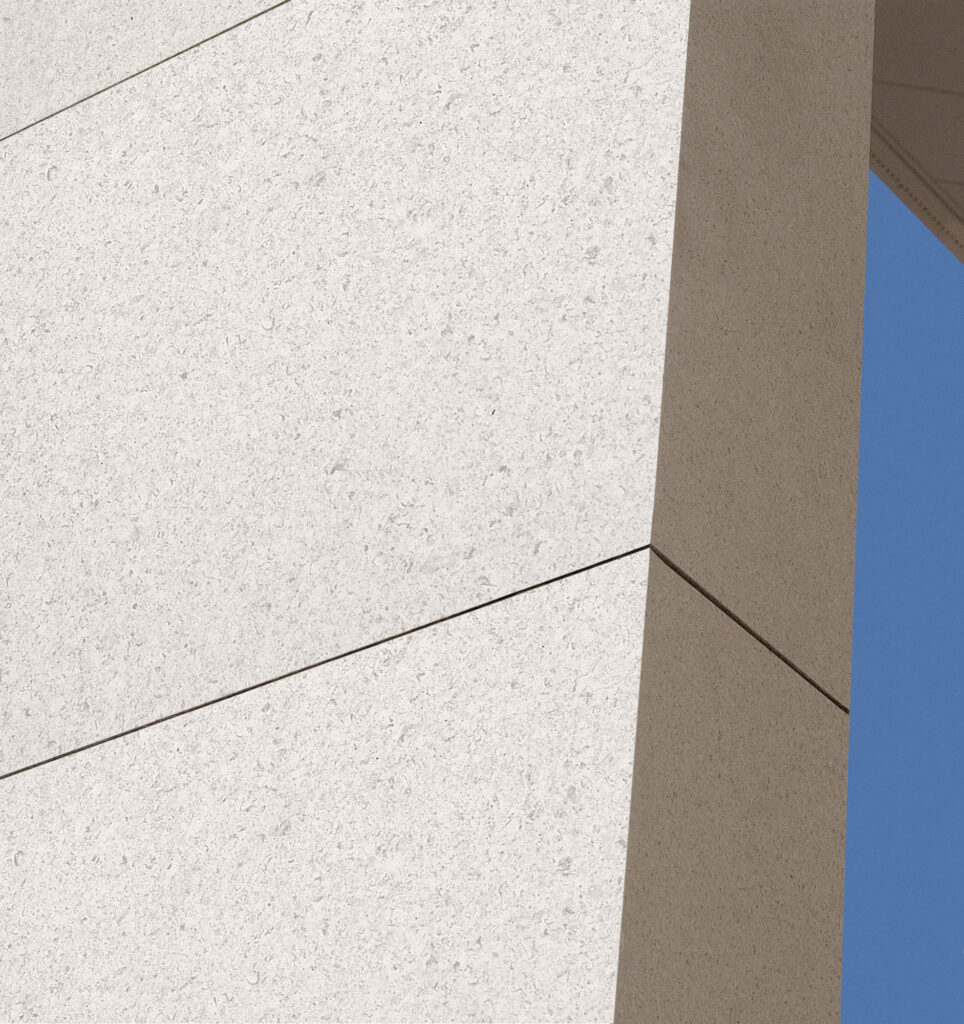
In the end, we opted for CAREA® mineral composite, installed as Cladding with backing structure (CWB), as it combined all these technical and aesthetic features. The SMOOTH MAT cladding was chosen, and a CAREA® prototype was submitted to architect Carlos Ott to validate the shade. Another much-appreciated advantage of this project was the risk prevention provided by the easier, less laborious installation than with the original stone material (34 kg/m²… versus 80 originally!).
The project was submitted to the Paris Departmental Service for Architecture and Heritage for authorization to work on the building, which imposed the use of the same cladding material on all facades to ensure perfect homogeneity.
The 28,000 m² of CAREA® Mineral Composite cladding were installed between July 2007 and August 2009, taking around two years to complete.
From the outset of the project, the CAREA® Design Office brought its expertise as a leader in facade design to bear, assisting the company in mastering the technical aspects of the CAREA® product and adapting it to singular points. The first facade to be treated was that on the rue de Lyon, and the progress of the project was then staged according to occupancy constraints and the typology of the institutional building dedicated to culture.
After gradually exposing the facades and removing the original stonework and insulation, CAREA® Cladding with backing structure was installed with vertical and horizontal joints and glass wool thermal and sound insulation.
A precise layout was constantly studied by the installation company, according to the progress of the work.
On this occasion, the CAREA® design office was also able to meet the impact and wind resistance requirements imposed by the client for the cladding of the base panels, initially planned in natural stone.
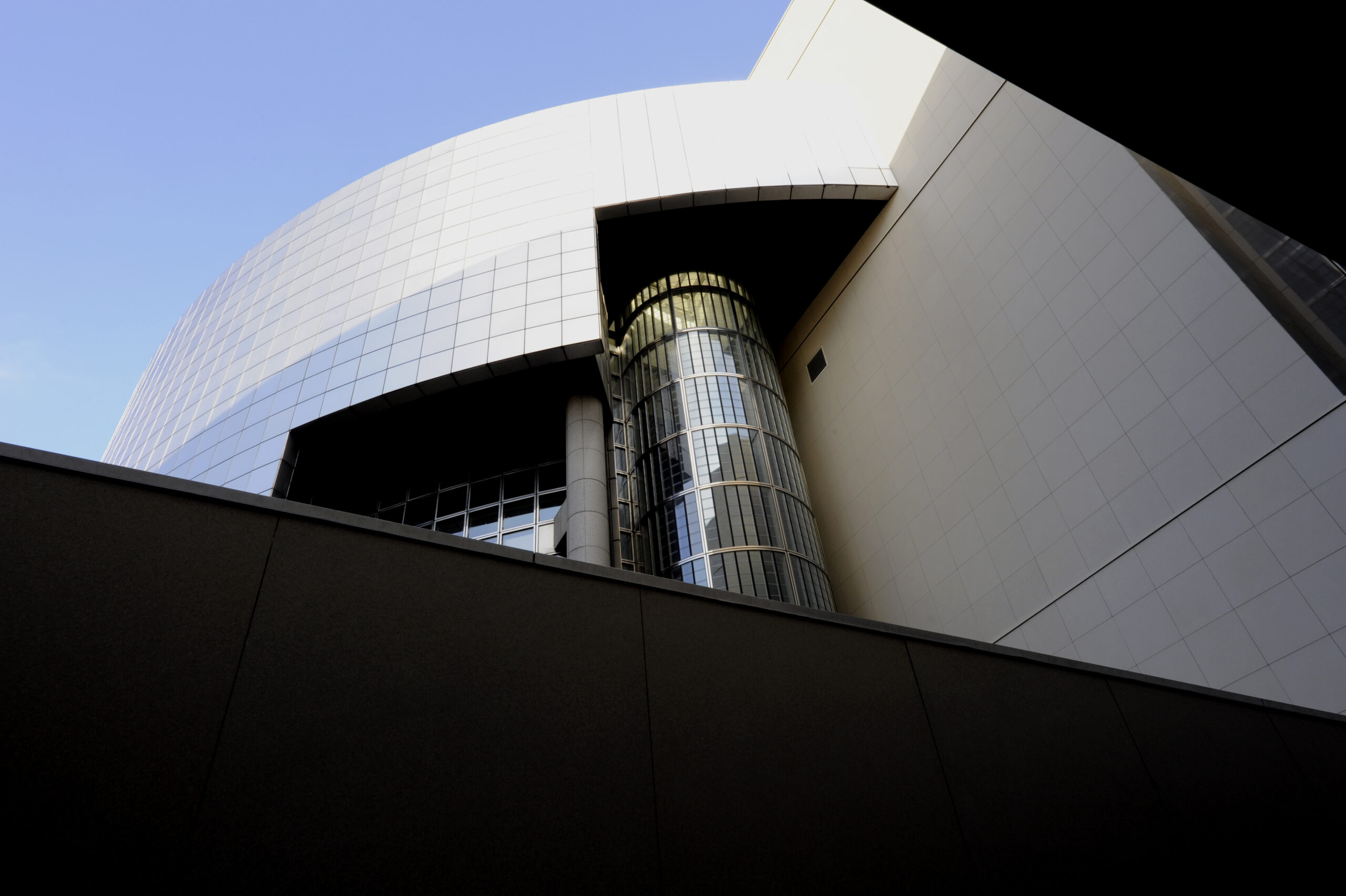
In the end, the choice fell on a new CAREA® creation, a CAREA® Q4 slab, extremely resistant to aggression, in the imposed 90 x 90 cm format, laid at a height of three meters around the periphery of all the buildings. This CAREA® creation provided all the required performance, while retaining the same aesthetic appeal.
Another feature highly appreciated in Urban environments is the intrinsic properties of CAREA® mineral composite material, which, thanks to its non-porous nature, makes it easy to remove tags and graffiti without the need for specific preventive treatment.
A fine demonstration of the potential of CAREA® Mineral Composite for heritage enhancement.
Please note
Zurich, Suisse
Nantes, Loire-Atlantique